Knowing how to document interference complaints properly is mostly discipline: write down what you heard, when you heard it, on what frequency, at what strength, and then rule out your own gear before anyone else does it for you. A properly documented interference complaint is a dated record that ties a specific unwanted signal to a specific time, frequency and location, backed by audio or spectrum evidence, and filed with the party that has jurisdiction over the suspected source. Without those parts, a complaint gets acknowledged, filed for statistics, and closed. With them, it can actually move.
The rest of this guide walks through the whole process: what to gather, how to run controlled tests, how to write the summary, and where each type of complaint gets filed. Budget a couple of evenings for the first pass. It is not difficult work, but it is repetitive, and the repetition is the part that carries weight.
Table of Contents
- 1What You Need
- 2How to Document Interference Complaints Properly
- 3Identify and Record the Interference
- 4Establish When and Where It Occurs
- 5Test the Receiving System
- 6Compare with a Known Good Setup
- 7Create an Evidence Timeline
- 8Write a Clear Complaint Summary
- 9Submit and Preserve the Complaint
- 10Common Mistakes
- 11Frequently Asked Questions
- 12How much evidence do I need before filing an interference complaint?
- 13Should I record an audio sample of the interference?
- 14Who should I contact about interference affecting my amateur radio station?
- 15What details should I include in a complaint to the FCC?
- 16How can I prove that the interference is not caused by my own equipment?
- 17Conclusion
What You Need
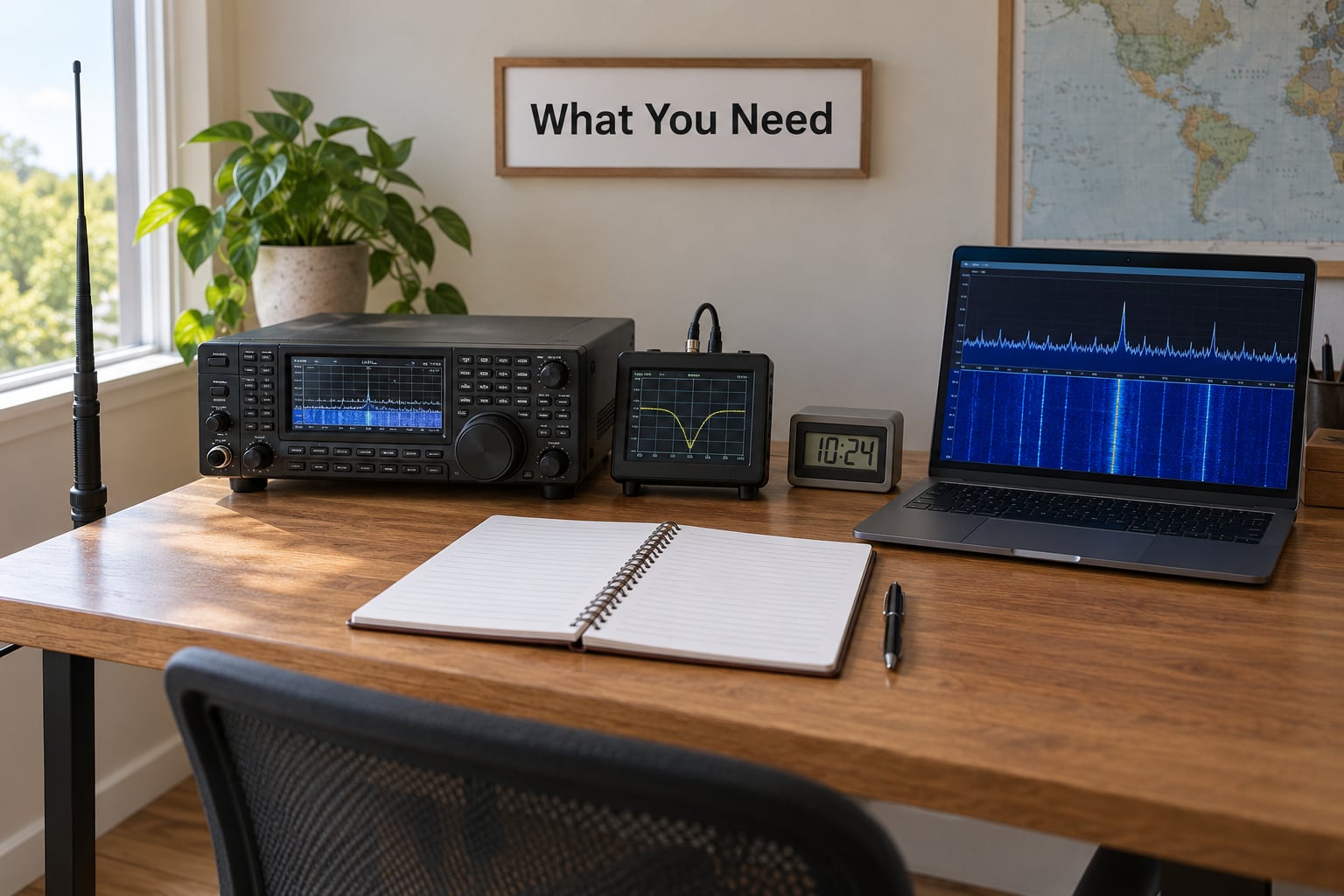
Assemble this list before you chase your first incident. Half of these items cost nothing beyond time.
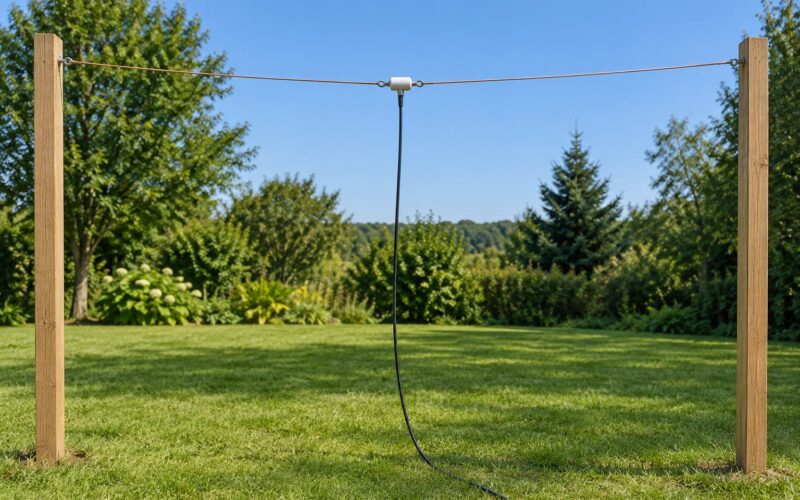
- Receiver and antenna details — make, model, serial number, antenna type, mounting height above ground, cable length and connector type, and any feed line loss you know about.
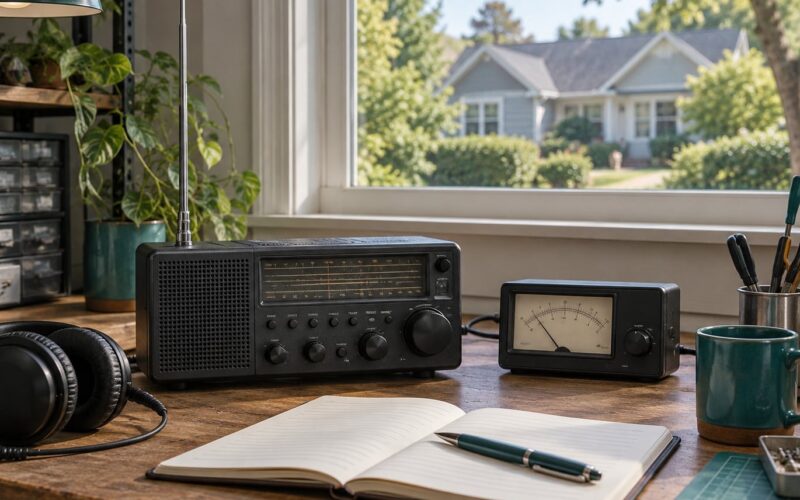
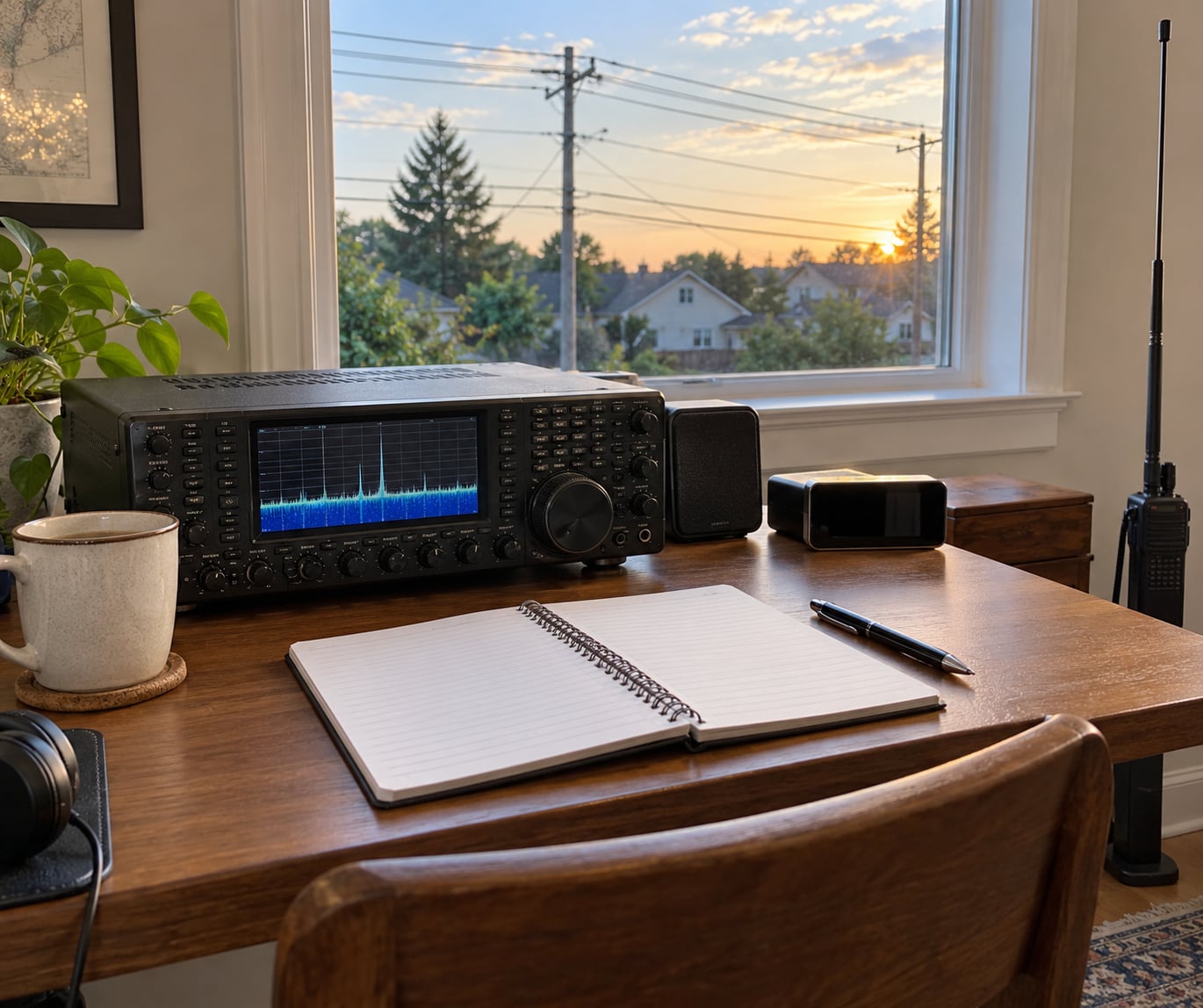
- A way to read the noise floor — an SDR with a waterfall view, a spectrum analyzer, or at minimum a receiver with a calibrated S-meter. Write down the reference level you are measuring against.
- Recording gear — two independent recorders if you can. One captures the radio audio, the other captures the room, so a hum or buzz in the audio path is distinguishable from something in the air.
- A time source — a phone or radio time check before each session. Log time to the minute, not the hour.
- A paper or spreadsheet log — pre-printed with your fields, so a three-hour session does not end with you trying to remember what happened at 14:20.
- Weather notes — humidity, wind, temperature, and whether the ground is wet. Power line noise often tracks moisture.
- Site notes — the listening location, what appliances were running, whether anyone else was transmitting nearby, and whether your neighbours reported the same thing.
- Contact details — your call sign and license class, station address and grid square, the utility’s service address if you know it, and the FCC’s consumer complaint portal address.
Keep this kit in one box. When the noise shows up at two in the morning, you do not want to be hunting for cables instead of logging the event.
How to Document Interference Complaints Properly
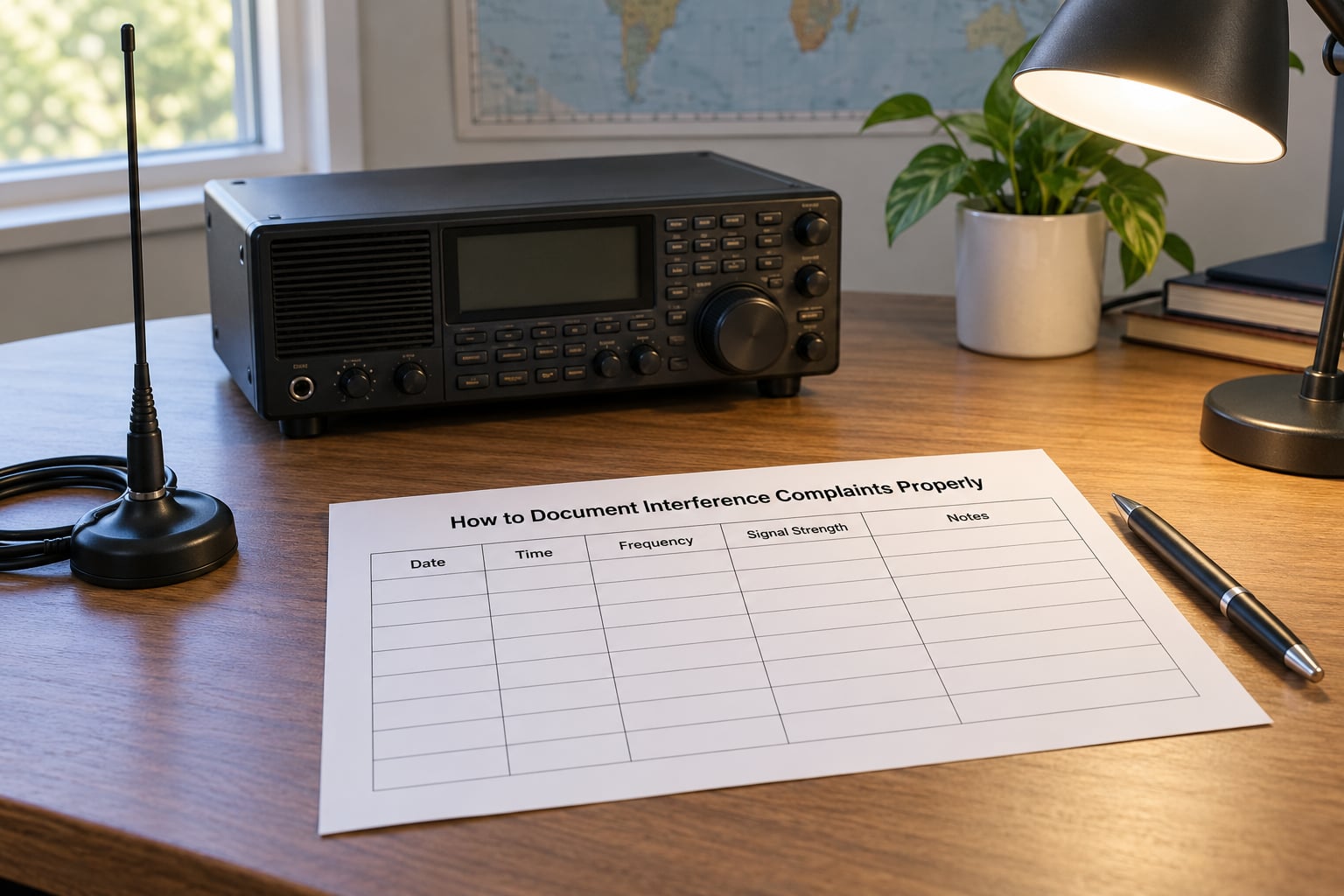
The process runs in seven steps, and each one feeds the next. Skipping the control tests is the single most common reason a complaint goes nowhere.
Identify and Record the Interference
Describe what you hear using observable behaviour, not a label. “Weird noise” tells a utility nothing. Instead note the frequency in MHz, the mode, the signal strength relative to your noise floor, whether it is continuous or pulsed, whether the pulse rate is steady or drifts, whether it is broadband or confined to a narrow segment, and whether the level tracks a visible spark or arc.
Useful descriptors include buzz at harmonics of 60 Hz, impulse noise with a regular repetition rate, a carrier that vanishes when an appliance switches off, and a signal that appears only when a neighbour’s device is active. Power line noise from corroded hardware shows up as exactly this kind of signature.
Before you file, spend ten minutes listening outside the amateur bands. Reddit r/HamRadio users point out the obvious check that gets skipped: if the same noise shows up on commercial, aviation, or public safety frequencies, you may be looking at a commercial transmitter rather than your own neighbourhood.
Establish When and Where It Occurs
Log the exact date, the start and stop time to the minute, and the location where you were listening. Write down the address or at least a description of the position, since a complaint tied to a specific location is the only one an investigator can act on.
Then look for a pattern. Interference that arrives like clockwork between noon and one, as one operator in a power line RFI discussion described his own case, is far easier to document than noise that shows up at random. Note weather, whether the noise follows a schedule, whether it appears only indoors or only outdoors, and whether it changes when you move a few metres or change antennas. Also record which appliances and consumer electronics were switched on during the session.
Test the Receiving System
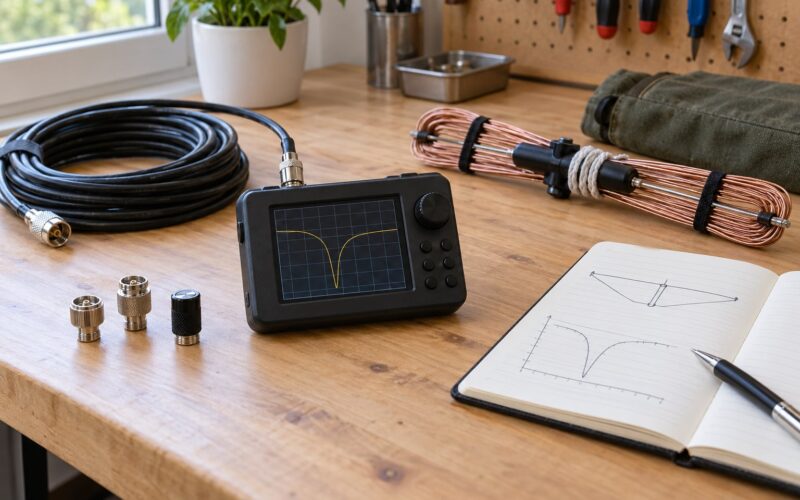
Run a repeatable sequence before you blame anything outside your shack. Disconnect the antenna and listen to receiver noise alone. Then substitute a known-good feed line and antenna. Then power the station from a battery or a conditioned supply and listen again. If the noise disappears with the antenna disconnected, you have narrowed the problem considerably, and you document that fact rather than assert it.
Write down each step, the time, and the result in your log. If you change something between tests, that change is part of the record. An investigator can only follow your reasoning if every variable you touched is written down.
Compare with a Known Good Setup
A control comparison does more work than any single observation. Listen to the same frequency with a second receiver on a different antenna. Try a portable setup running on battery power in a different room, or outside. Compare against a recorded reference signal at the same frequency to confirm your receiver was performing normally that day.
If the interference follows you into the second receiver on the second antenna, that is a strong data point. If it stays at home station, that is a strong data point too. One operator documented his power line case by filming each distribution pole and recording the pole numbers, then having the utility attach an oscilloscope to his antenna to capture the 60-cycle signature and match it back at the source.
Create an Evidence Timeline
Once you have several incidents, lay them out chronologically in a single table: date, time, frequency, mode, strength reading, description, weather, power supply, antennas in use, tests performed, result, and what changed since the previous entry. A timeline makes the recurrence visible in a way that a stack of separate emails never does, and recurring, documented events are what regulators and utilities respond to.
Name your files by date and frequency so the bundle stays in order. A waterfall screenshot saved as final_final2 is worth nothing in six months.
Write a Clear Complaint Summary
Copy this field list into a one-page summary. It covers what nearly every agency or utility asks for:
- Name, call sign, license class, mailing address, and contact details
- Date and time of each incident, to the minute
- Frequency in MHz and mode
- Signal description and strength reading, with the reference level used
- Listening location, antenna, receiver, and cable details
- Control tests performed and their results
- Number of times the problem recurred and any pattern you found
- Supplied equipment suspected, or the suspected source type if unknown
- The specific action you are requesting
- Enclosures: audio files, screenshots, photographs, logs
Keep opinion out of it. Statements about what caused the interference belong in your notes to yourself, not in the summary you send.
Submit and Preserve the Complaint
Route the complaint to the party with jurisdiction over the source. A power line belongs to the utility company, and if the utility stalls, the next stop is your state Public Utility Commission. Consumer electronics and Part 15 devices are an FCC matter. Transmitter violations go to the FCC as well. Neighbour disputes and landlord or HOA problems stay local and usually start with a written request for remediation. For amateur-specific violations, the ARRL Volunteer Monitor program takes reports that the FCC does not, and ARRL Arbitration exists for disputes between amateurs, where the rules require all physical evidence, affidavits, and a witness list to be exchanged at least 30 days before the hearing.
Use the FCC consumer complaint portal rather than email. The portal generates a ticket number, and that number is how you reference the complaint later. If you need a formal proceeding, file through ECFS instead. Save the confirmation email, the ticket number, the exact submission timestamp, and a copy of everything you attached.
Then preserve the originals. Keep audio in WAV, screenshots as full-resolution PNG, and build one PDF bundle with a page index. Add new evidence by amending the existing complaint and referencing the ticket number, rather than opening a second case.
Common Mistakes
Most dismissed complaints share one of these problems, and every one has a straightforward fix.
- Guessing at the cause. Writing “caused by the power company” as a fact gets the complaint discounted. Write the observation, and state the suspected source separately as a hypothesis.
- Missing dates and times. An undated report cannot be correlated with anything. Log every session to the minute, including the quiet ones.
- Skipping control tests. A complaint that never rules out the complainant’s own equipment is easy to dismiss. Disconnect the antenna, swap the feed line, and go to battery power, then record the results.
- Mixing opinion with observation. Keep interpretations out of the objective record. Separate the log from your theory about what is causing it.
- Losing the original files. Re-encoded audio and cropped screenshots lose the argument. Keep untouched originals and work only from copies.
- Filing once. A single event reads as an anomaly. Multiple documented incidents over weeks read as a pattern, and patterns are what trigger action.
- Not following up. Submitting and then waiting quietly is how cases die. Use the ticket number in dated follow-ups, and escalate to the state commission when the utility stops responding.
One safety note, because it comes up often: do not touch, tap, or climb utility equipment, and never strike a pole. In one RFI discussion, ham operators were emphatic that this counts as vandalism. Observe from a safe distance and let the utility do the physical inspection.
Frequently Asked Questions
How much evidence do I need before filing an interference complaint?
Enough to tie one signal to one time, frequency, and location, plus proof your own station is clean. That means three or more documented incidents with dates, exact times, frequencies, and strength readings, one set of control tests showing the noise persists on a second receiver or antenna, and at least one objective attachment such as an audio file or waterfall screenshot. One isolated event reads as an anomaly. Several read as a pattern.
Should I record an audio sample of the interference?
Yes, and record it twice if you can. Use two independent recorders: one on the receiver audio output and one in the room, so electrical hum inside your shack cannot be mistaken for noise arriving over the air. Save the files in an uncompressed format, name them by date and frequency, and keep the originals. An audio sample is the single attachment most likely to be played by a utility technician or an investigator.
Who should I contact about interference affecting my amateur radio station?
It depends on the suspected source. Power line noise and broadband over power lines go to the utility company first, then to your state Public Utility Commission if the utility stalls. Part 15 consumer electronics and transmitter violations go to the FCC through the consumer complaint portal. Amateur-specific violations can go to the ARRL Volunteer Monitor program, and disputes between licensed operators can be resolved through ARRL Arbitration.
What details should I include in a complaint to the FCC?
Your name, call sign, license class, and contact details, then the date and exact time of each incident, the frequency in MHz, the mode, a description of the signal, and your strength reading with the reference level used. Include your station address or grid square, your antenna and receiver details, the control tests you ran and their results, and the specific action you want. Attach audio files and screenshots, and keep the ticket number the portal generates.
How can I prove that the interference is not caused by my own equipment?
Run and document a control sequence. Listen with the antenna disconnected to establish your receiver’s own noise floor, then substitute a different antenna and feed line, then power the station from a battery and listen again. Follow it with a second receiver on a different antenna at the same frequency. Record the time, the change made, and the result for every step. The pattern of results is what makes the ruling-out credible rather than an assertion.
Conclusion
Start tonight: open a log, print your station details, and record one controlled test with the antenna disconnected, then one with it connected. Do that a few times a week for a month and you will have something no verbal complaint can match.
Once you know how to document interference complaints properly, the rest is routing and follow-up. Summarise the evidence in one page, send it to the party that owns the source, save the ticket number, and keep every original file. The complaint that ends a problem is almost never the cleverest one. It is the one with a dated log behind it.